
 Double D Hunting | Optics Guide
640 Thermal Scope Guide: Features, Deals & Best Picks
Looking through an optic and seeing glowing heat signatures in pitch darkness feels like unlocking a superpower for the outdoors. Today's industry sweet spot is the 640 thermal scope, which delivers an incredible balance of visual clarity and overall cost.
Understanding the Features of 640 Thermal Scopes
Looking through an optic and seeing glowing heat signatures in pitch darkness feels like unlocking a superpower for the outdoors. We've all seen the massive price tags on pro-level gear, often making hunters assume this equipment is strictly restricted to military use. According to recent retail trends, however, finding reliable thermal scopes for sale no longer requires emptying your savings account.
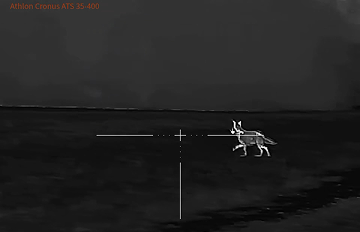
Today's industry sweet spot is the 640 thermal scope, which delivers an incredible balance of visual clarity and overall cost. Think of a 640 resolution core like upgrading from a dusty, old tube television to a modern 4K monitor. This specification directly impacts pixel density—the amount of digital "puzzle pieces" creating your image—so a distant coyote actually looks like a canine rather than a blurry blob.
Unfortunately, a premium price tag does not automatically guarantee modern technology when hunting for the best thermal scopes. Many older units still carry heavy retail costs despite utilizing outdated internal sensors. Spotting genuine thermal scope deals requires looking past the fancy marketing language to check the actual digital engine inside.
Before handing over your hard-earned cash, you must know what dictates an optic's true value. Grasping the three core specs—resolution, refresh rates, and lens size—empowers you to dodge expensive mistakes.
Flashlights vs. Heat Maps: Why Thermal Imaging Beats Night Vision for Most Hunters
Many first-time buyers ask: what is the difference between thermal and infrared? Traditional night vision relies on light amplification, taking existing moonlight or an infrared beam—essentially an invisible flashlight—and brightening the picture. If you stand in a pitch-black area with zero ambient light, standard night vision simply leaves you staring at a dark screen.
Thermal technology flips the script by ignoring light entirely and reading heat instead. Rather than acting like a standard camera, a thermal scope functions like a live weather map, displaying glowing heat signatures against cooler backgrounds. Because it measures temperature instead of capturing light, the sensor works perfectly in total darkness without needing any external illuminators to give away your position.
Comparing thermal imaging vs night vision for hunting quickly reveals why heat-reading wins for spotting predators. While traditional night vision gets blinded by fog or blocked by thick brush, thermal cuts right through the camouflage, making hidden coyotes or hogs glow brightly against the cool terrain. Accurately identifying that glowing shape relies entirely on your sensor's resolution.
The 'Puzzle Piece' Advantage: Why 640 Pixels Mean Fewer Blurry Blobs at 200 Yards
Think of a thermal image as a jigsaw puzzle made of tiny heat-reading squares. Just like checking digital camera megapixels, evaluating thermal sensor resolution simply comes down to counting those puzzle pieces.
When comparing core sensor size 384 vs 640, those numbers represent the grid of pixels capturing the heat signature, rather than the internal screen you look through. The difference in actual gathered detail is massive:
- 384x288 sensor: 110,592 total pixels
- 640x480 sensor: 307,200 total pixels
Having nearly three times the information means a 640 resolution thermal scope keeps its clarity when you use digital zoom. If you magnify a lower-resolution sensor, those fewer puzzle pieces simply stretch into large, blocky squares—a frustrating effect known as digital pixelation that ruins your image.
Spotting a glowing heat shape is easy, but a 640 thermal scope packs enough detail to confidently tell a neighbor's dog from a coyote at 200 yards. However, that crisp image must stay clear when the animal suddenly bolts, making a high refresh rate just as critical as resolution.
Beyond Resolution: Why a 50Hz Refresh Rate is Non-Negotiable for Moving Targets
Spotting a crisp silhouette is useless if your target turns into a choppy slideshow the moment it runs. This is where refresh rate (measured in Hz) matters, dictating how many times your screen updates per second. A cheap 9Hz scope causes eye strain during long scans and makes leading a moving hog impossible. When balancing refresh rate vs image clarity in night optics, insist on a smooth 50Hz or 60Hz.
Another crucial spec is NETD (thermal sensitivity), which measures how well the sensor detects tiny temperature changes. Lower numbers equal better performance in terrible weather. A 25mK rating cuts through heavy fog or humidity far better than an older 50mK unit, preventing your background from washing out into gray static.
When evaluating thermal scope features to find the best 640 thermal scope, protect your investment with this baseline checklist:
- Refresh rate (50Hz+)
- NETD (<40mK)
- Magnification (Base power)
Even with premium internal electronics, one physical adjustment ultimately dictates your success in the field, making physical hardware considerations critical for image sharpness.
Fixed vs. Manual Focus: The Hidden Feature That Determines Your Image Sharpness
Even top-tier electronics cannot fix a blurry picture if the physical lens falls short. When choosing between fixed focus and manual focus lenses, know that budget models often lock the focus in place. Fixed focus works for quick backyard scans, but it becomes a massive liability when tracking targets across varying distances.
Your objective lens size, measured in millimeters, directly dictates your magnification and Field of View (FOV). Think of FOV as your viewing window. A smaller lens provides a wide window to easily spot close-range movement, whereas a larger lens stretches your viewing distance but dramatically shrinks that window.
Any honest thermal scope review confirms manual adjustment is critical for resolving fine animal details past 150 yards. Securing a versatile hunting thermal scope means prioritizing this physical control over digital gimmicks. These hardware realities dictate how to spot real thermal scope deals without getting stuck with outdated tech.
How to Spot Real Thermal Scope Deals Without Getting Stuck With Outdated Tech
Finding real thermal scope deals means knowing exactly when retailers clear their shelves. The best time of year to buy thermal optics is late winter or early spring, just as new models launch. Unfortunately, this is also the exact window when some retailers quietly dump outdated technology on unsuspecting buyers.
Rather than settling for an older model, seek out factory demo units or manufacturer rebates from trusted brands. Knowing where to find refurbished thermal rifle scopes helps you score premium 640-resolution technology for the price of a standard 384-resolution unit. These fully warrantied optics provide incredible value for hunters wanting budget-friendly thermal scopes under 2000 dollars.
Protect your wallet by using this red flags checklist on any heavily discounted optic:
- No manufacturer warranty
- A choppy 9Hz refresh rate (makes moving targets look like a slideshow)
- Discontinued proprietary batteries
- Lack of firmware updates
Securing modern hardware ensures your new optic actually performs in the dark, directly translating into your effective tracking and hunting range in the field.
Detection vs. Identification: Calculating Your Actual Effective Range in the Field
Marketing materials often boast about detecting heat signatures at long distances, throwing around massive numbers like "2000 yards." However, seeing a glowing dot on your screen is vastly different from knowing what you are actually viewing. "Detection" simply means the scope found a heat source, while "Identification" ensures you can clearly tell a wild coyote from a neighbor's calf before taking a shot.
Upgrading your hardware alters this math, a fact made obvious during any real-world thermal scope comparison. When calculating detection range for hog hunting, a premium 640-resolution sensor gives you double the visual "puzzle pieces" of an entry-level unit. While both scopes might detect a mile-away target, the 640 sensor pushes your safe, ethical identification range out to 300 yards instead of a mere 150.
Smart buyers ignore flashy marketing numbers and focus entirely on a unit's practical identification rating. Once you match an optic's capabilities to your typical shooting distances, you must ensure it stays powered all night and remains protected by a solid guarantee.
Your Strategy for Choosing the Perfect 640 Thermal Scope
You no longer have to guess which thermal optics for sale are actually worth your money. By demanding a 640 thermal scope with a smooth 50Hz refresh rate, manual focus capabilities, and a solid warranty, you can confidently ignore the marketing fluff. While this level of technology is certainly an investment, it guarantees the true image clarity you need at a distance.
Compare trusted dealers to find the best 640 thermal scope for your specific needs. Armed with these exact specs, you are ready to make an informed purchase and confidently step out to explore the night.
Shop 640 Thermal Scopes at Double D Hunting
Authorized dealer for RIX and Athlon thermal optics — compare thermal scopes for sale with real support from a family-owned shop in Missouri.
Browse Thermal Optics Shop Double D Deals