Home
Double D Hunting | Deer Feeder Guide

Deer Feeders: Setup, Settings & Troubleshooting

Where to hang it, how high, what to set the timer to, how to keep the coons and hogs out — and what to check when the thing quits spinning. The whole feeder, start to finish.

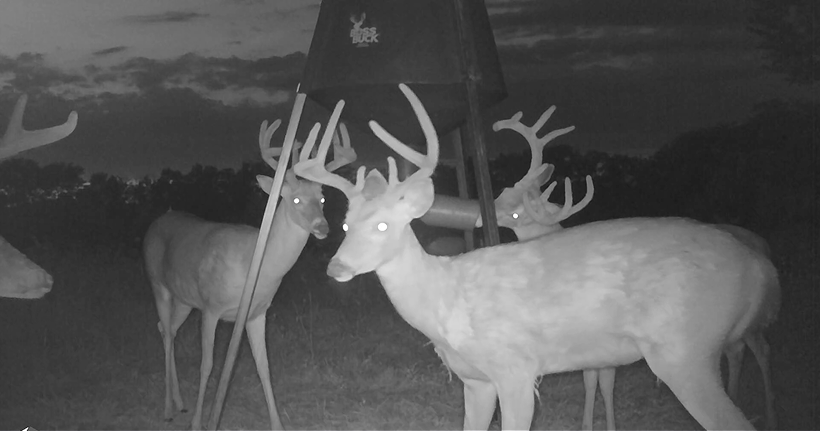
Whitetail bucks feeding under a tripod deer feeder, captured on a trail camera at night

The Complete Deer Feeder Guide

A deer feeder is simple in theory — a hopper, a spinner, a timer, and a battery — and a steady source of aggravation in practice. The feed runs out, the motor hums but will not throw, raccoons treat it like a buffet, and the hogs clean it out before a deer ever shows. This guide is the home base for all of it: how to set a feeder up so it works from day one, what to set the timer to, how high to hang it, and how to keep everything but deer out of it.

Each section below links to a focused, no-fluff guide on one question. Start here, then go as deep as you need on whatever is giving you trouble.

  • Feeder Types
  • Setup & Placement
  • Timer Settings
  • Feeder Height
  • Raccoons & Hogs
  • Troubleshooting

How to Set Up and Run a Deer Feeder

Three types of feeder cover almost every setup, and the one you pick decides how much fuss the rest of this is. Get the type, the spot, and the height right up front and most of the common headaches never start.

The Three Kinds of Feeder

Before anything else, know what you are running:

  • Spin (broadcast) feeders — a hopper over a motorized spinner plate, driven by a timer and a battery. At each set time it slings a measured amount of corn out in a circle. These are the feeders with timers, motors, and the "why won't it spin" problems, and they are what most hunters mean by "deer feeder."
  • Gravity feeders — no motor, no battery, no timer. Feed simply falls into a trough or tube as deer eat it. Nothing to break, but feed is available around the clock, which means everything eats from it.
  • Tripod vs. hanging vs. standing — the same hopper can sit on a tripod, hang from a limb, or stand on legs. Tripods are stable and easy to service; hanging feeders are quick to deploy. Either way, height is what keeps critters out, and we cover that below.

Setting It Up, Step by Step

A feeder that is placed and assembled well is a feeder you rarely have to babysit. The order that works:

  1. Check the regulations first. Baiting and feeding rules vary by state and even by county, and many areas restrict or ban it outright over chronic wasting disease concerns. Confirm it is legal where you hunt before you hang anything.
  2. Pick the spot. Choose level, firm, well-drained ground near cover and a known trail, not the middle of an open field where deer feel exposed. Leave yourself a clear path to drive in and refill.
  3. Assemble and tighten everything. Build the feeder per the manufacturer's instructions and snug every bolt. Before you fill it, test the spinner plate and battery so you find a dead motor at the truck, not three weeks later on camera.
  4. Aim the solar panel. On a solar setup, face the panel south with nothing shading it, so the battery stays topped off.
  5. Set the height. Hang or set the bottom about 6 to 7 feet off the ground to keep raccoons and hogs out and cut wind-and-rain waste. Full detail in how high a deer feeder should be.
  6. Fill, set the timer, and leave. Load clean feed, program your feed times, then get out and stay out for two to three weeks so deer settle in. Run a trail camera on it instead of walking in to check.

Timer Settings in Brief

For a spin feeder, the common starting point is twice a day — shortly after first light and an hour or two before sunset — with a spin time of about 3 to 6 seconds per feeding. Five seconds throws roughly a pound or two of corn on most units. The exact number depends on your feeder and how many deer you are holding, so set it, watch what lands, and adjust. We break down durations, feed times, and how long a bag lasts in deer feeder timer settings.

Keeping Everything but Deer Out

Two animals will test a feeder harder than the deer ever do:

Worth knowing: a timed spin feeder already limits the buffet, because feed is only on the ground at set times rather than all day like a gravity feeder. Pair the right feeder height with a fence or leg guard and you solve most of the pest problem before it starts.

When It Stops Working

The number-one feeder complaint is a motor that hums but will not spin, and the number-one cause is the battery — a 12V motor will not turn a loaded plate on a battery that has sagged to 6V or lost its amperage. After that it is the timer, a loose set-screw on the plate, or feed jammed under it from dusty or wet corn. The full checklist is in why your deer feeder is not spinning.

What to Put in It

Corn is the default — cheap, available, and deer key on it — but it is mostly an attractant, not nutrition. Many hunters layer in a protein or an attractant block, or switch to crushed and liquid attractants where legal, to pull deer in and hold them. Whatever you use, keep it clean and dry: dusty, moldy, or wet feed both jams spinners and turns deer off a site they can smell is spoiled. Stock attractants and feed in our minerals & attractants lineup.

Shop Deer Feeders at Double D Hunting

Once you know how you want to feed, here is the hardware. We carry tripod, hanging, and hopper feeders, plus the solar panels, attractants, and trail-camera gear that keep a feed site running and watched.

Keep it running and fed

Add a solar power panel so the battery never dies mid-season, and stock the hopper from our minerals & attractants — Acorn Rage, Deer Cane, and crushed and liquid attractants that pull deer in and hold them. Then hang a camera over it; see our trail camera guide.

Deer Feeder FAQ

How Do You Set Up a Deer Feeder?

Pick a level, well-drained spot near cover and a known trail, and check your state's baiting and feeding regulations before you hang anything. Assemble the feeder per the manufacturer's instructions, tighten every bolt, and test the spinner plate and battery before you fill it. On a spin feeder with a solar panel, face the panel south so it stays charged. Set the bottom of a hanging feeder about 6 to 7 feet off the ground to keep predators and hogs out, fill it with clean feed, then leave the area alone for two to three weeks so deer settle in.

How High Off the Ground Should a Deer Feeder Be?

For a hanging or barrel feeder, set the bottom about 6 to 7 feet off the ground. That keeps raccoons and hogs from reaching the feed while still letting deer feed comfortably, and it cuts waste from feed blowing or washing onto the ground. If bears are in your area, go higher — 8 to 10 feet or more — or use a bear-resistant setup. For a trough-style feeder meant to let fawns reach it, keep the trough sides around 24 inches off the ground. More in how high a deer feeder should be.

What Should I Set My Deer Feeder Timer To?

Most hunters run a spin feeder twice a day — shortly after first light and again an hour or two before sunset — with a spin time of roughly 3 to 6 seconds per feeding. Five seconds is a common starting point that throws about a pound or two of corn. The right number depends on your feeder, the gap under the spin plate, and how many deer you are holding, so set it, watch what hits the ground, and adjust. Full breakdown in deer feeder timer settings.

Why Is My Deer Feeder Not Spinning?

The most common cause is the battery — a 12V motor will hum but not turn on a battery that has dropped to 6V or lost its amperage, so test or replace it first. After that, check the timer (reset it and confirm the feed times are programmed), look for a loose set-screw on the spin plate, and clear any feed jammed under the plate from dusty or wet corn. Corroded wire connectors are another frequent culprit. Step-by-step in why your deer feeder is not spinning.

How Do I Keep Raccoons and Hogs Out of My Deer Feeder?

For raccoons, stop the climb: slick PVC sleeves, a spinning collar, or grease on the legs, plus a cage over the spinner plate for the clever ones. For hogs, the most reliable fix is a fence — a 3 to 4 foot hog-panel ring about 40 feet across that deer step over but pigs cannot get through — plus raising the feeder out of reach and bracing the legs. A timed feeder that only drops feed when deer are active also limits the damage. See raccoons and hogs.

What Is the 7-Day Rule for Deer?

The 7-day rule is a rule of thumb that after you intrude on a spot — hanging a stand, checking a trail camera, refilling a feeder, or bumping deer — you give it about a week of rest before you hunt it. Mature deer, especially older bucks, need roughly that long to settle back into their normal pattern after pressure. It is not a hard law, but the principle holds: the less you disturb a feed site, the more daylight deer activity you will see. It is one more reason to run a trail camera over your feeder instead of walking in to check it.

Get the Feed Site Right

A feeder that is placed well, hung at the right height, and topped off with a solar panel mostly takes care of itself — which means more deer on camera and fewer trips in to fix things. Start with the hardware, then dial in the details with the guides above.