
Home
Double D Hunting | Deer Feeder Guide

Why Is My Deer Feeder Not Spinning?

The motor hums, the corn stays in the hopper, and the deer move on. Here is the fix-it walkthrough, in the order that finds the problem fastest.

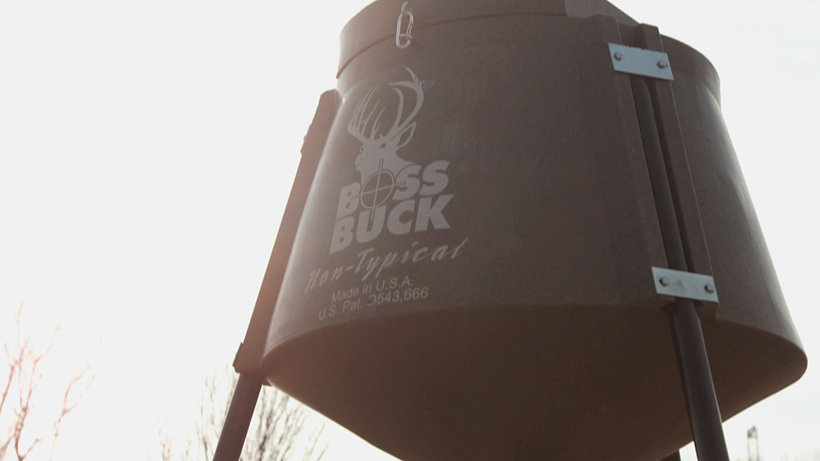
Boss Buck tripod deer feeder in the field while diagnosing a feeder that will not spin

Your Feeder Hums but Won't Throw Corn

It is the most common complaint in the deer woods: you walk up to the feeder, hit the test button, and the motor buzzes — but the spin plate sits dead still and not a kernel hits the ground. The good news is that a feeder that won't spin almost always fails for one of five reasons, and they fall in a tidy order from "most likely and free to fix" to "least likely." Work the list from the top and you will usually solve it with a screwdriver and a charged battery, not a parts order.

This is the troubleshooting deep-dive from our complete deer feeder guide. Below is the diagnose-in-order checklist, a quick symptom table, and the honest answer on which parts you can fix in the field versus when the unit is simply worn out.

  • Battery First
  • Timer Reset
  • Set-Screw
  • Jammed Plate
  • Wiring

Diagnose It in Order

Do not start by buying a new motor. Start at the battery and work down — each step is faster and cheaper than the one after it, and the first two solve the overwhelming majority of no-spin feeders.

The Five-Step Checklist

Run these in order. Most feeders are fixed by step one or two before you ever reach for a wrench:

  1. Test the battery under load. This is the cause nine times out of ten. A 12V spinner motor will not turn a loaded plate on a battery that has sagged to around 6V or lost its amperage — and a battery that reads a healthy 6V on a meter can still fail to deliver the inrush current the motor needs to start under load. The symptom is exactly the hum-but-no-spin you are hearing. Swap in a known-good, fully charged battery (match your unit — 6V or 12V) and test again before you touch anything else.
  2. Reset and reprogram the timer. Timers glitch from electrical surges or from running flat on a dead battery. Find the small recessed reset button — often tucked under the program button — and press it, then reprogram your feed times and spin duration and confirm they actually saved. Tie this in with our deer feeder timer settings so you are not just resetting it to the wrong numbers. If the timer's internal relay has failed, it stops sending voltage to the motor entirely and the timer needs replacing.
  3. Tighten the spin-plate set-screw. A set-screw clamps the spin plate to the motor shaft. When it works loose, the shaft spins freely but the plate doesn't — or a barely-spinning plate gives up the moment corn loads it down. Snug the set-screw against the flat of the shaft. A little dry lube or WD-40 on the shaft under the plate frees a sticky one.
  4. Clear a jammed plate. Dusty, powdery, or wet corn — or a mix of granule sizes — packs into a cake under the spin plate and around the shaft and stops it cold. Scoop the packed feed out, wipe the plate and shaft clean, and refill with clean, dry feed.
  5. Re-seat the wiring. Corroded or loose wire connectors cause the maddening intermittent failure — it throws once, then nothing the next time. Pull each connector, clean off corrosion, and push them back together firmly.

The one rule that saves the most trips: check the battery first, always. A sagging battery is the single most common reason a feeder hums and won't spin, and people waste whole afternoons on set-screws and timers because the real problem was a battery that read "fine" but couldn't pull the load.

Symptom → Cause → Fix

If you would rather work backward from what the feeder is actually doing, start here:

Symptom Likely cause Fix
Motor hums or buzzes, plate doesn't move Weak battery can't supply inrush current under load Test under load; swap in a charged 6V/12V battery
Dead silent — no hum, nothing Dead battery, glitched timer, or failed relay Charge battery, reset and reprogram the timer
Motor turns but no corn thrown Loose spin-plate set-screw on the shaft Tighten the set-screw; lube a sticky shaft
Plate strains, slows, or stops under feed Wet or dusty corn jammed under the plate Clear the packed feed; refill clean and dry
Works once, then quits intermittently Corroded or loose wire connectors Clean and re-seat every connector

Stop It Happening Again

Most no-spin calls trace back to a battery that quietly died between checks, which is why a small solar panel earns its keep — it holds the battery topped off so it never sags below the voltage and current the motor needs. Keep clean, dry corn in the hopper and don't let a layer of fines settle at the bottom, and the jam problem largely goes away too.

And stop diagnosing dead feeders by driving in to look at them. Hang a trail camera over the feed site and you'll see the moment the spread stops landing — which means you fix it on your schedule instead of wondering why the deer disappeared, and you keep your scent out of the spot in the meantime.

Parts to Stop the No-Spin

Straight talk: we don't stock standalone feeder timers or replacement feeder batteries, so we won't pretend to. What we do carry are the two things that actually end the problem — a solar panel to kill the battery sag that causes most no-spins, and a reliable replacement feeder for when the old unit is genuinely worn out.

Fix the root cause: stop the battery sag

Since a sagging battery is the number-one reason a feeder hums and won't spin, the smartest single upgrade is a 5,000 mAh solar power panel. Wired to your feeder battery, it keeps the charge topped off all season so the motor always has the current it needs to start a loaded plate — and you stop making the drive to find a dead feeder.

When the unit is truly worn out

If you have replaced the battery, reset the timer, tightened the set-screw, cleared the plate, and re-seated the wiring and it still won't run, the unit may simply be done. For a fill-it-and-forget-it season, the 350 lb Tripod Feeder stands on its own legs and holds a season's worth; for an easy, affordable way back into a spin setup, the 5 Gallon Nesting Hopper with feeder kit is hard to beat. Browse the full lineup in our deer feeders.

Feeder Won't Spin FAQ

Why Is My Deer Feeder Not Spinning?

Nine times out of ten it is the battery. A 12V motor will hum but not turn a loaded spin plate once the battery has sagged to around 6V or lost its amperage, so test it under load or swap in a known-good charged battery first. If that is not it, work down the list: reset the timer and confirm the feed times are programmed, check the set-screw clamping the spin plate to the motor shaft, clear any feed jammed under the plate from dusty or wet corn, and re-seat corroded wire connectors. Check them in that order and you will find it without replacing parts you did not need to.

Why Does My Feeder Motor Hum but Not Spin?

A hum with no spin almost always means the motor is getting voltage but not enough current to turn the plate under load. The usual cause is a weak battery: it may still read 6V on a meter but cannot supply the inrush current the motor needs to start a loaded plate. Charge or replace it and test again. If the battery is good, the problem is mechanical — the set-screw holding the spin plate to the shaft has worked loose so the shaft turns but the plate does not, or feed has packed under the plate and jammed it. Tighten the set-screw and clear the plate.

How Do I Reset a Deer Feeder Timer?

Most feeder timers have a small recessed reset button, often tucked under or beside the program button, that you press with a pen tip or paper clip. Press it to clear the timer, then reprogram your feed times and spin duration from scratch and confirm they actually saved. Timers glitch from electrical surges or from running on a dead battery, so a fresh, charged battery before you reprogram saves you doing it twice. If it still will not trigger the motor after a clean reset, the internal relay may have failed and the timer needs replacing.

What Kind of Battery Does a Deer Feeder Use?

Most spin feeders run on a 6V or 12V rechargeable battery — check your unit and match it exactly, because a 12V motor will not spin right on 6V and a 6V timer can be fried by 12V. Whatever it takes, the job is to keep it charged: a battery that sags mid-season is the single most common reason a feeder quits spinning. A small solar panel wired to the battery keeps it topped off so it never drops below the voltage and current the motor needs to throw a loaded plate.

Can Wet or Dusty Corn Stop a Feeder From Spinning?

Yes. Dusty, powdery, or wet corn packs into a dense cake under the spin plate and around the shaft, and that wedge can stop a plate cold or bog down a motor that is otherwise fine. Differing granule sizes make it worse. Scoop out the packed feed, wipe the plate and shaft clean, and refill with clean, dry corn. Keeping feed dry in the hopper — and not letting half a bag of fines settle at the bottom — prevents the jam from coming back.

Back to a Spinning Feeder

Work the checklist top to bottom — battery, timer, set-screw, jam, wiring — and you'll almost always have corn flying again without a parts order. Add a solar panel so the battery never sags out from under you again, and head back to the complete deer feeder guide for setup, height, and keeping the critters out.